

What Flowers and Their Colors Mean: A Complete Guide to Bouquet Symbolism
What Flowers and Their Colors Mean: A Complete Guide to Bouquet Symbolism
Flowers can express emotions without words. A bouquet may communicate love, gratitude, respect, support, admiration, joy or the promise of a new beginning. Its message is shaped not only by the type of flower, but also by color, proportions, arrangement style, wrapping and the occasion.
In this guide, FlowerLab florists explain the meaning of the most popular flowers and shades, which combinations are suitable for a declaration of love, birthday, wedding, thank-you gift, apology or professional gesture, and how to choose a bouquet that suits the person rather than merely the event.
What Is the Language of Flowers and Why Does It Still Matter?
The language of flowers is a symbolic way of expressing emotions, intentions and wishes through blooms. Meanings have varied between cultures and historical periods, yet many associations remain familiar today. Red roses are linked with love, white roses with sincerity, peonies with prosperity, chrysanthemums with respect, and hydrangeas with gratitude and generosity.
Modern recipients rarely decode every bloom as if it were part of a strict secret code. Even so, colors and bouquet styles create clear emotional impressions. Pastel arrangements feel soft and romantic, deep red bouquets communicate passion, white-and-green compositions suggest elegance and balance, while vivid mixed bouquets convey joy and energy.
Flower symbolism is especially helpful when you want a gift to feel personal. It allows you to choose not only a beautiful bouquet, but also one with the right mood and message.
Should traditional flower meanings be followed strictly?
No. Symbolism should guide you, not restrict you. If someone loves yellow flowers, there is no reason to avoid them because of an old superstition. In contemporary floristry, personal taste, lifestyle and the emotional effect of the bouquet matter more.
The most important rule is simple: choose flowers for the person who will receive them. Traditional meanings may add depth, but personal preference should remain the deciding factor.
What Bouquet Colors Symbolize
Color is usually the first element people notice in a bouquet. It can make the same flower appear romantic, formal, energetic or understated. For this reason, selecting the right palette is just as important as choosing the flowers themselves.
Red flowers: love, passion and confidence
Red is one of the strongest colors in floristry. It expresses passion, attraction, courage and intense emotion. Red roses remain the classic choice for a declaration of love, a relationship anniversary or an important romantic gesture.
An entirely red bouquet sends a direct and unmistakable message. Combined with white, it becomes more elegant and balanced; paired with burgundy, it gains depth and sophistication.
White flowers: purity, sincerity and elegance
White suggests honest intentions, respect, refinement and a new beginning. It is suitable for weddings, engagements, christenings, professional gifts and recipients who appreciate a minimalist aesthetic.
White bouquets do not have to feel cold. Greenery, cream flowers and varied textures add warmth, volume and a natural character.
Pink flowers: tenderness, affection and care
Pink is delicate and versatile. Pale shades express sensitivity and affection, while brighter pink communicates joy, admiration and feminine energy.
Pink flowers are suitable for a partner, mother, sister, friend or colleague. They work equally well in romantic bouquets, birthday gifts and thank-you gestures.
Yellow flowers: joy, warmth and friendship
In modern floristry, yellow symbolizes optimism, warmth, success and good spirits. It is ideal for congratulations, new beginnings, gratitude or simply cheering someone up.
The old superstition that yellow flowers represent separation no longer reflects how most people perceive them. If the recipient loves yellow, a bright yellow bouquet may be exactly the right choice.
Orange flowers: energy, success and admiration
Orange is warm, expressive and optimistic. It can symbolize enthusiasm, achievement, courage and admiration. Orange flowers work well for birthdays, promotions, business openings and gifts for dynamic personalities.
Peach and cream flowers: warmth and refinement
Cream, cappuccino, champagne and peach shades have a sophisticated character. They express care, gratitude, politeness and affection without excessive drama.
These colors are excellent for weddings, elegant gifts, corporate bouquets, anniversaries and recipients who prefer natural tones.
Blue flowers: originality and calm
Blue suggests peace, depth and individuality. Blue flowers attract attention because of their unusual appearance and are suitable for creative, independent people or those who appreciate modern design.
Paired with white, they create a fresh, contemporary arrangement. Combined with violet or grey-green foliage, they gain an editorial and refined look.
Purple flowers: admiration, mystery and dignity
Purple is associated with elegance, spirituality and individuality. Lavender tones feel romantic and calm, while deep violet appears more dramatic and luxurious.
A purple bouquet is suitable for a stylish person, a special birthday or a gesture of admiration.
Green flowers: harmony, freshness and renewal
Green symbolizes balance, life and growth. Green flowers, decorative foliage and botanical textures give bouquets a fresh and contemporary appearance.
White-and-green arrangements are excellent for modern interiors, elegant events and neutral gifts.
Very dark flowers: drama and rarity
Flowers often described as “black” are usually very dark burgundy, deep purple or chocolate brown. They suggest mystery, refinement and exclusivity.
They suit recipients who appreciate unconventional design. For visual balance, florists often combine them with cream, powder pink, red or textured greenery.
| Color | Main meaning | Suitable occasions |
|---|---|---|
| Red | Love, passion, courage | Declaration of love, relationship anniversary |
| White | Sincerity, purity, elegance | Wedding, christening, professional gift |
| Pink | Tenderness, affection, care | Birthday, gratitude, romantic gesture |
| Yellow | Joy, friendship, optimism | Congratulations, new beginning, support |
| Orange | Energy, success, admiration | Promotion, opening, birthday |
| Cream | Refinement, warmth, delicacy | Wedding, elegant gift, thank-you bouquet |
| Blue | Calm, originality, depth | Creative gift, modern composition |
| Purple | Admiration, mystery, dignity | Special anniversary, respectful gesture |
The Meaning of the Most Popular Flowers
Roses: love, admiration and respect
The rose is one of the best-known flowers and can communicate very different messages depending on its color. Red expresses passion, pink tenderness, white sincerity, yellow joy, while cream and peach shades suggest elegance and gratitude.
For a romantic gift, you may choose a mono-bouquet or a designer arrangement. FlowerLab offers a wide selection of rose bouquets in different colors and formats.
Peonies: prosperity, romance and a happy union
Peonies are associated with prosperity, sincere love and a happy marriage. Their full, fragrant blooms create bouquets that feel luxurious yet delicate.
They are especially suitable for engagements, weddings, anniversaries and romantic gestures. Because peonies are seasonal, availability should be checked in advance.
Tulips: sincere feelings and new beginnings
Tulips symbolize freshness, affection and spring. They are elegant, natural and suitable for a partner, mother, friend or colleague.
A tulip bouquet may be minimalist, colorful or highly romantic depending on the chosen palette.
Hydrangeas: sincerity, gratitude and generosity
Hydrangeas impress with their volume and texture. They are associated with deep emotion, gratitude and warmth.
A single hydrangea can become the focal point of an arrangement, while several large heads create a striking and modern bouquet.
Chrysanthemums: respect, longevity and good wishes
Chrysanthemums are long-lasting, expressive and highly varied. In many cultures, they symbolize respect, health and longevity.
They are suitable for parents, grandparents, teachers, colleagues and business partners. In modern designs, chrysanthemums can look sophisticated rather than formal.
Lilies: nobility, purity and ceremony
Lilies have an elegant presence and a strong fragrance. They are linked with nobility, refinement and respect.
They are suitable for important events, anniversaries and formal gifts. For recipients who are sensitive to fragrance, they should be selected carefully.
Lisianthus: delicacy, gratitude and calm
Lisianthus, also known as eustoma, has a soft and romantic appearance. It symbolizes appreciation, kindness and balance.
It is a good choice for weddings, birthdays, bouquets for mothers and elegant gifts without an overly intense message.
Daisies: sincerity, simplicity and kindness
Daisies communicate natural beauty, optimism and honest emotion. They are associated with spontaneity and simple joy.
A daisy bouquet is ideal for a surprise without an occasion, a close friend or someone who loves a natural style.
Gerberas: joy, openness and positive energy
Gerberas have bright colors and a cheerful shape. They symbolize optimism and positive energy.
They are suitable for birthdays, congratulations, children and moments when you want to brighten someone’s day.
Calla lilies: elegance, respect and perfect form
Calla lilies have a clean, graphic and sophisticated silhouette. They express refinement, admiration and respect.
They are ideal for modern weddings, minimalist bouquets and gifts for someone with a strong personal style.
Orchids: luxury, individuality and admiration
Orchids suggest rare beauty, refinement and uniqueness. They may be offered as cut flowers in an arrangement or as a potted plant.
They are appropriate for important anniversaries, premium gifts and recipients who appreciate elegant design.
Sunflowers: energy, loyalty and love of life
Sunflowers communicate warmth, optimism and admiration. They are an excellent choice for summer, congratulations and spontaneous gifts.
Carnations: strength, respect and gratitude
Modern carnations are available in sophisticated shades and can look highly refined. They symbolize appreciation, stability and respect.
Alstroemeria: friendship, support and devotion
Alstroemeria is associated with friendship and sincere support. It is long-lasting, colorful and easy to combine in mixed arrangements.
Which Flowers to Choose for Different Occasions
For a declaration of love
Red roses remain the classic choice, but they are not the only option. Pink peonies, red tulips, burgundy hydrangeas or a designer arrangement in deep shades may express the same feeling in a more personal way.
For a new relationship, a palette of pink, cream or peach may feel more delicate than an entirely red bouquet.
For a birthday
A birthday bouquet should reflect the recipient’s personality. Bright colors suit an energetic person, while pastel, white or burgundy tones are ideal for someone with an elegant style.
You can browse available designs in the FlowerLab bouquet collection.
For a mother
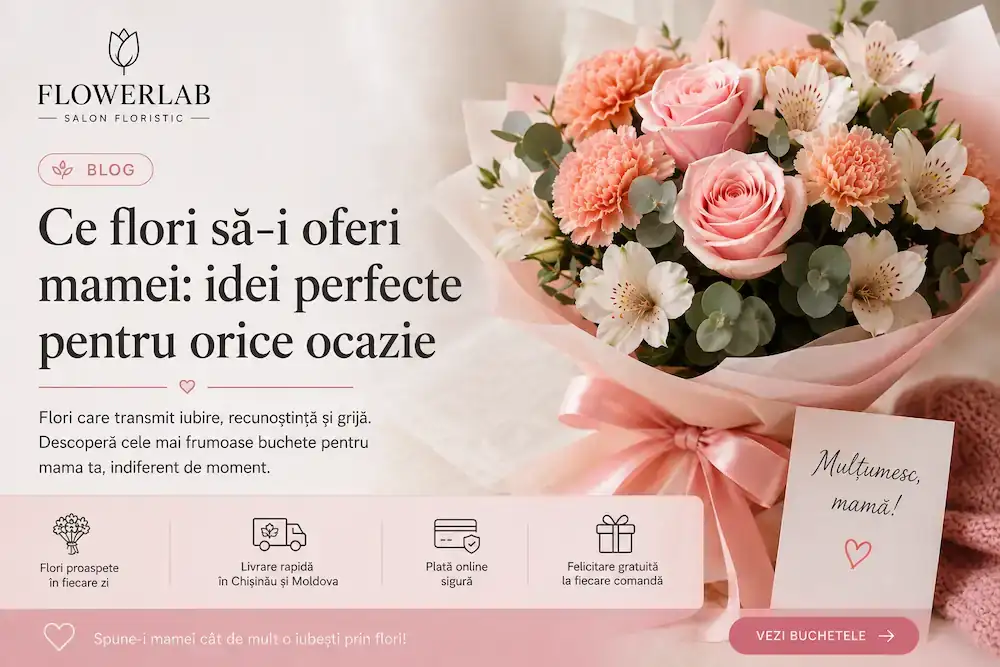
Warm and generous flowers are ideal for mothers: pink roses, lisianthus, chrysanthemums, hydrangeas, tulips and peonies. The main message should be gratitude, care and closeness.
For a friend
Choose a cheerful, natural or creative bouquet. Yellow, pink, purple and multicolored combinations communicate friendship and positive energy without appearing overly romantic.
For a colleague or business partner
Balanced arrangements work best in professional settings: white and green, cream, peach, subtle purple or soft pastel tones. The wrapping should be elegant and restrained.
Avoid overly intimate messages, strongly passionate colors and very intense fragrances.
For a wedding
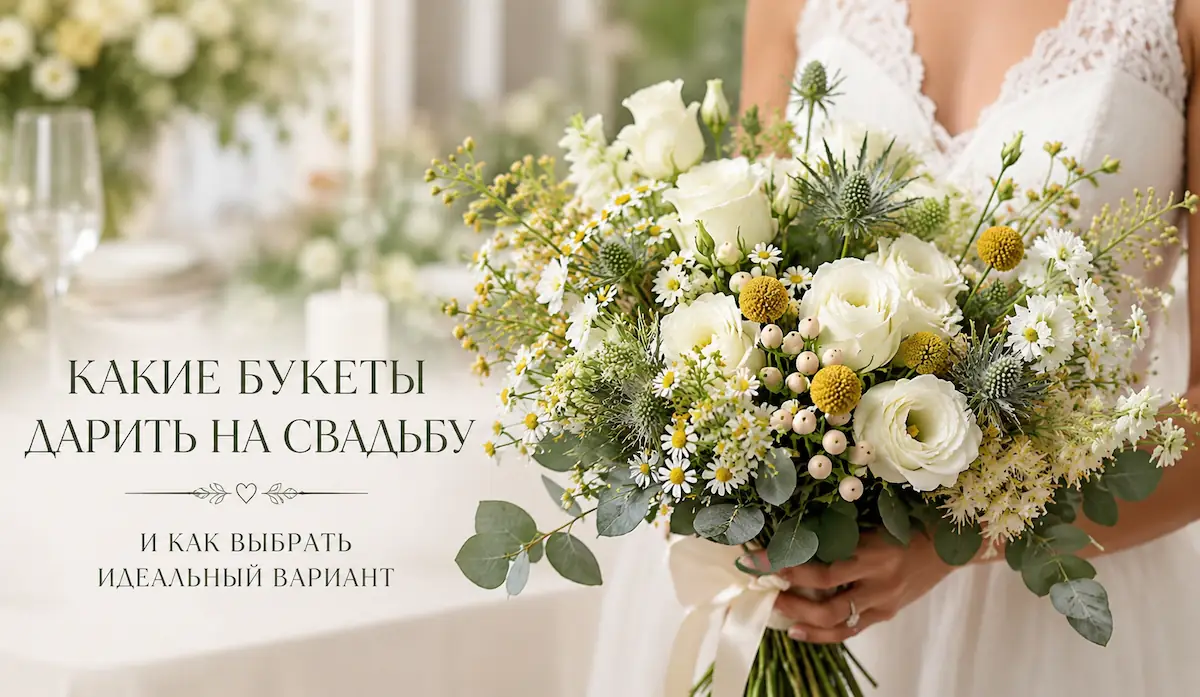
White, cream, pale pink and natural green bouquets are associated with purity, harmony and happy beginnings. Peonies, roses, lisianthus, hydrangeas and calla lilies are popular choices.
For the couple, a compact and easy-to-carry bouquet is often more practical than a very large arrangement.
For the birth of a baby
Choose delicate flowers with a light fragrance, such as lisianthus, roses, hydrangeas or tulips in pastel shades. A flower box or basket is convenient for a hospital or home delivery.
To express gratitude
Hydrangeas, peach roses, lisianthus, chrysanthemums and alstroemeria communicate appreciation beautifully. A personal card message makes the gift even more meaningful.
To apologize
Choose a sincere and balanced bouquet without excessive drama. White, pale pink, cream and peach flowers suggest respect and a desire to restore harmony.
A bouquet cannot replace an honest conversation, but it can show that the gesture matters.
For no special occasion
Flowers given without a reason are often the most memorable. A seasonal bouquet, a composition in someone’s favorite colors or a small, carefully chosen arrangement may create a stronger emotion than a formal gift.
How Flower Combinations Change a Bouquet’s Message
Monochrome bouquets
A bouquet arranged in one color feels coherent and elegant. Red is intense, white is refined, pink is romantic and yellow is optimistic.
Florists create depth by combining several shades of the same color and using different textures.
Contrasting combinations
Opposite or strongly different colors create visual energy. Orange with purple, pink with green or burgundy with cream can look striking when proportions are well balanced.
These designs are suitable for bold and creative personalities.
Pastel arrangements
Powder pink, cream, white, peach and lavender create a delicate and sophisticated message. They work beautifully for romance, weddings, birthdays and elegant gifts.
White-and-green arrangements
White and green communicate freshness, balance and good taste. This style is versatile and suitable for both personal events and professional gifts.
| Combination | Atmosphere | Best suited for |
|---|---|---|
| Red + burgundy | Intense, passionate | Partner, relationship anniversary |
| White + green | Clean, elegant | Wedding, professional gift, minimalist recipient |
| Pink + cream | Romantic, delicate | Partner, mother, friend |
| Yellow + white | Bright, optimistic | Congratulations, friendship, support |
| Purple + peach | Creative, sophisticated | Artistic or stylish recipient |
How to Choose Flowers by Personality and Style
For a romantic personality
Choose peonies, garden roses, lisianthus, tulips or hydrangeas in pink, cream, lavender and peach tones. Soft shapes and delicate wrapping support the romantic atmosphere.
For a confident and expressive person
Strong colors, large blooms and contrasting combinations work well. Red roses, burgundy hydrangeas, gerberas and orange accents can create a memorable bouquet.
For a minimalist
Choose a mono-bouquet, a white-and-green palette, calla lilies or roses in a single shade. Clean wrapping and precise proportions matter more than volume.
For a creative person
Asymmetrical designs, unusual flowers, varied textures and unexpected color combinations are ideal.
For someone who loves classic style
Roses, lilies, tulips and chrysanthemums in a neat composition are reliable choices. Red, white, pink, cream and burgundy are especially suitable.
Common Mistakes When Choosing Flowers
Choosing only by price or size
A large bouquet is not automatically more beautiful or more suitable. Flower quality, color harmony and the recipient’s style matter more than the number of stems.
Ignoring favorite flowers
The recipient’s actual preference is more important than any symbolic rule. If they love tulips, a tulip bouquet will feel more personal than an expensive but generic arrangement.
Forgetting about fragrance
Lilies and other strongly scented flowers may be unsuitable for sensitive recipients, small offices or hospitals. In such cases, request a bouquet with a subtle fragrance.
Choosing unsuitable wrapping
Wrapping should complement the flowers rather than hide them. Excessive shine, clashing colors or too much decoration can reduce the premium impression.
Ordering too late without checking availability
Rare varieties and seasonal flowers may not be available every day. For an exact design or a specific palette, ordering in advance is recommended. You can review the conditions on the FlowerLab delivery page.
Providing unclear delivery details
An incorrect phone number, missing apartment number or unrealistic delivery window can delay the surprise. Check all information before confirming the order.
Advice from FlowerLab Florists: How to Choose the Right Bouquet Message
FlowerLab florists can create an arrangement based on the occasion, budget, preferred colors and the recipient’s personality. You may select a ready-made design from our bouquet collection or request an individual composition.
Start with the person, not the flower
Consider the recipient’s style, the colors they wear, the interior they prefer and whether they enjoy classic bouquets or unusual arrangements.
Define the main emotion
For passion, choose deep shades; for gratitude, use peach, cream or hydrangeas; for joy, choose yellow and orange; for elegance, select white, green and powder tones.
Consider the season
Seasonal flowers often look more expressive and natural. Spring highlights tulips and early peonies, summer brings hydrangeas and meadow flowers, autumn favors warm tones, and winter suits structured arrangements and long-lasting blooms.
Choose the right format
A classic hand-tied bouquet suits most occasions. A flower box is practical when a vase may not be available, while a basket is ideal for events, group gifts and generous arrangements.
Add a personal message
A short card can clarify your intention and turn a bouquet into a memorable gift. Keep it simple and sincere rather than overly formal.
How to place an order
Select a bouquet, provide the date and delivery address, add your card message and choose a payment method. See more information about delivery and payment methods.
Quick Flower Symbolism Dictionary
- Red rose: love and passion.
- White rose: sincerity and respect.
- Pink rose: tenderness and admiration.
- Yellow rose: joy and friendship.
- Peony: prosperity and romance.
- Tulip: sincere affection and a new beginning.
- Hydrangea: gratitude and generosity.
- Chrysanthemum: respect and wishes for longevity.
- Lily: nobility and ceremony.
- Lisianthus: delicacy and appreciation.
- Gerbera: optimism and good spirits.
- Calla lily: elegance and refinement.
- Orchid: uniqueness and luxury.
- Sunflower: energy and loyalty.
- Alstroemeria: friendship and support.
Frequently Asked Questions
Which flowers symbolize love?
Red roses are the classic symbol of love, but peonies, red tulips and bouquets in burgundy or deep pink shades can also communicate a romantic message.
What do white roses mean?
White roses symbolize sincerity, purity, respect and honest intentions. They are suitable for weddings, new beginnings and elegant gifts.
Is it appropriate to give yellow flowers?
Yes. In modern floristry, yellow flowers represent joy, optimism, energy and friendship. The recipient’s preferences are more important than old superstitions.
Which flowers express gratitude?
Hydrangeas, peach roses, lisianthus, chrysanthemums and alstroemeria are excellent choices for a thank-you bouquet.
Which flowers are suitable for a mother?
Pink roses, tulips, peonies, hydrangeas, lisianthus and chrysanthemums in warm shades communicate care and gratitude.
Which flowers are suitable for a man?
Structured bouquets with clear lines and deeper colors work well: burgundy, white and green, purple, orange or blue. Wrapping should be simple and elegant.
Does the number of flowers matter?
In Moldova and many nearby countries, an odd number of flowers is traditionally given for celebrations. In complex mixed bouquets, the exact number is less visible because the arrangement is perceived as a whole.
How do I choose a bouquet if I do not know the person’s preferences?
Choose a balanced palette such as white and green, cream and pink, or soft pastels, together with versatile flowers such as roses, lisianthus, hydrangeas or tulips. Avoid very strong fragrance and excessive decoration.
What can I write on the bouquet card?
A short and sincere message is enough: “With love,” “Thank you,” “Happy Birthday,” or a personal sentence connected to the occasion.
Conclusion
Flower symbolism is a helpful guide rather than a rigid rule. A successful bouquet takes into account the person, the occasion, color, season and the emotion you want to communicate.
You do not need to find one single “correct” interpretation for each flower. The best composition is the one that suits the recipient and creates a genuine emotional response.
At FlowerLab, you can order bouquets, roses and flower arrangements with delivery in Chișinău and throughout Moldova.
More advice about choosing, caring for and combining flowers is available in the FlowerLab blog.